
Optomap
As technology continues to advance, so does the field of the optometric industry. The development of innovative tools and techniques has allowed for more accurate and comprehensive examinations. One such technology is Optomap, a revolutionary system that utilizes ultra-widefield retinal imaging technology to provide optometrists with a detailed view of the majority of the retina.
How Does Optomap Work?
Optomap technology is based on the principle of ultra-widefield retinal imaging, which allows for a wider and more detailed view of the retina compared to traditional imaging techniques. The Optomap system consists of a specialized camera that captures high-resolution images of the retina using scanning laser ophthalmoscopy.
The Optomap camera is designed to capture up to 200 degrees of the retina in a single image. This wide-field view provides optometrists with a comprehensive picture of the retina, enabling them to detect abnormalities that may not be visible with traditional imaging techniques. The optomap image can be instantly viewed and analyzed by your eye doctor, allowing for a more efficient and accurate diagnosis.
Common Eye Conditions Detected by Optomap
Optomap technology has the capability to detect a wide range of eye conditions, including but not limited to, diabetic retinopathy, macular degeneration, glaucoma, and retinal tears or detachments. Diabetic retinopathy is a condition that affects individuals with diabetes, causing damage to the blood vessels in the retina. Optomap can capture detailed images of the retina, enabling optometrists to detect any signs of diabetic retinopathy and initiate appropriate treatment.
Macular degeneration is another common eye condition that can be detected using Optomap. This condition affects the macula, the central part of the retina responsible for sharp, central vision. Optomap allows for a comprehensive view of the macula, identifying any changes or abnormalities that may indicate the presence of macular degeneration.
Glaucoma, a condition characterized by damage to the optic nerve, can also be detected using Optomap. The wide-field view provided by Optos allows for a thorough examination of the optic nerve and the surrounding structures, facilitating early detection and intervention.
Finally, Optomap technology is particularly effective in detecting retinal tears or detachments. These conditions can lead to sudden vision loss and require immediate medical attention. Optomap allows for a comprehensive view of the retina, identifying any signs of retinal tears or detachments and initiate prompt treatment.

Advantages of Optomap Technology
The use of Optomap imaging offers several advantages over traditional imaging methods. Firstly, the wide-field view provided by Optomap allows for the detection of peripheral retinal conditions that may be missed with conventional imaging techniques. This is particularly important as many eye conditions, such as peripheral retinal tears and detachments, can lead to vision loss if left untreated.
Additionally, the Optomap system offers a non-invasive and comfortable imaging experience for patients. Traditional imaging methods often require the use of dilating drops, which can cause discomfort and blurred vision for several hours. With Optomap, dilating drops are not necessary, making the process more convenient for both the patient and the eye care professional.
Lastly, the high-resolution images captured by Optomap enable optometrists to closely monitor the progression of eye conditions over time. This allows for early detection of any changes or abnormalities, leading to timely intervention and treatment. Regular screenings with Optomap can also help identify individuals who may be at risk for certain eye conditions, allowing for preventive measures to be taken.
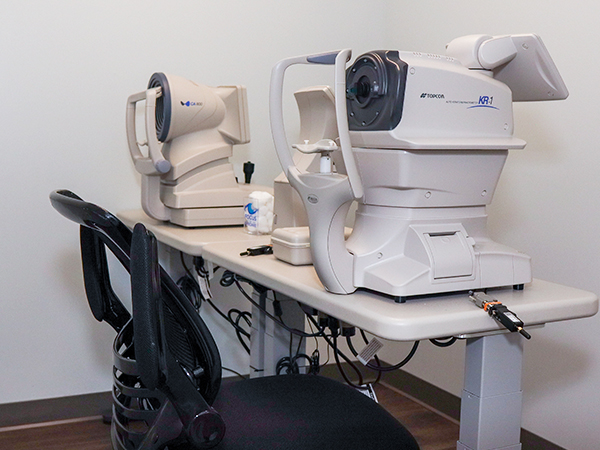
Our office offers an annual optomap screening for a small out of pocket cost, which is discounted if you elect to have an OCT scan done as well.
MAP

Contact Info
Hours of Operation
- Monday 8:00am - 4:00pm
- Tuesday 9:00am - 5:00pm
- Wednesday 8:00am - 4:00pm
- Thursday 8:00am - 4:00pm
- Friday 7:00am - 3:00pm
- Saturday Closed
- Sunday Closed
For After-Hours, Emergency, or Urgent Eye Care, Please Call: (412) 308-9111
© 2026 Focus on Eyecare. All rights Reserved. Accessibility Statement - Privacy Policy - Non-Discrimination Policy - Notification of Language Assistance - Sitemap
Powered by:
