
Common Eye Disorders Explained

People will often experience some type of eye disorder during the course of their lives. While the majority of these are minor and don’t require treatment, even minor problems can have significant adverse impacts on your vision, and you should seek the guidance of a licensed medical professional.
We’ve compiled some of the most common eye disorders, their causes, and treatments below. This guide is meant to be educational and not all of the disorders listed below require medical attention, but if you are concerned, you should contact your medical provider immediately.
Eyestrain
Eyestrain is a prevalent eye disorder. Most people have experienced this at one time or another. This optical issue can be caused by placing excessive strain on the eyes. It often occurs when reading, viewing a screen or driving for too long. The eyes may begin to feel tired, or a mild burning sensation can occur. Simple rest is often enough to correct this issue. However, if you continue to feel discomfort for a few days, it's time to visit your doctor.
Eye Redness
Eye redness can often be a minor issue that is caused by the inflammation or irritation of blood vessels near the eye’s surface. This can be caused by an irritant, lack of sleep, or allergies. If the redness in your eyes is linked to some type of traumatic injury, you should see a doctor. Typical treatments for this condition are eye drops to help lubricate the eye, resting your eyes, or taking medication to treat your allergies. Eye redness can also be a warning sign for conjunctivitis, pink eye, or sun damage. These conditions should receive medical treatment from a licensed professional.
Night Blindness
Some people find that they have difficulty navigating in darker areas like movie theaters, dark rooms, or driving at night. Several possibilities could lead to night blindness. Some may have been born with this condition, or it could be the result of a degenerative retina. These issues cannot be resolved by a medical professional. However, night blindness can also be caused by nearsightedness, vitamin A deficiency, cataracts, or keratoconus. All of these issues can be corrected by a doctor.

Color Vision Deficiency
Red and green color blindness is the most common form of color vision deficiency, although other types may affect your ability to see different color combinations. Color vision deficiencies are caused because the eyes lack the appropriate “cones” that help to interpret and differentiate these colors. This makes certain colors appear identical to colorblind individuals. Very severe forms of colorblindness only allow individuals to see shades of gray, but this is very rare.
While there is no current treatment for the correction of color blindness, special contact lenses or eyeglasses can be prescribed to help.
You may also need a tear film evaluation
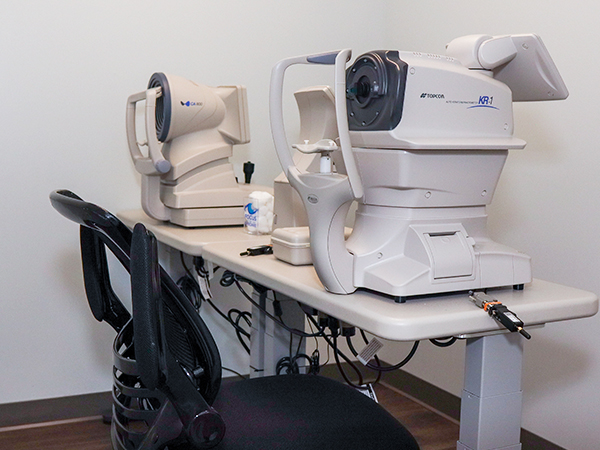
If you have dry eyes, your eye doctor will perform a tear film evaluation to measure the amount of tear film on the surface of your eye. If your tear film is insufficient or you have chronic dry eyes, contact lenses may not be a good option for you. However, some newer contact lenses deliver moisture to the surface of the eye, making them a better choice for individuals with dry eye issues.
MAP

Contact Info
Hours of Operation
- Monday 8:00am - 4:00pm
- Tuesday 9:00am - 5:00pm
- Wednesday 8:00am - 4:00pm
- Thursday 8:00am - 4:00pm
- Friday 7:00am - 3:00pm
- Saturday Closed
- Sunday Closed
For After-Hours, Emergency, or Urgent Eye Care, Please Call: (412) 308-9111
© 2026 Focus on Eyecare. All rights Reserved. Accessibility Statement - Privacy Policy - Non-Discrimination Policy - Notification of Language Assistance - Sitemap
Powered by:
